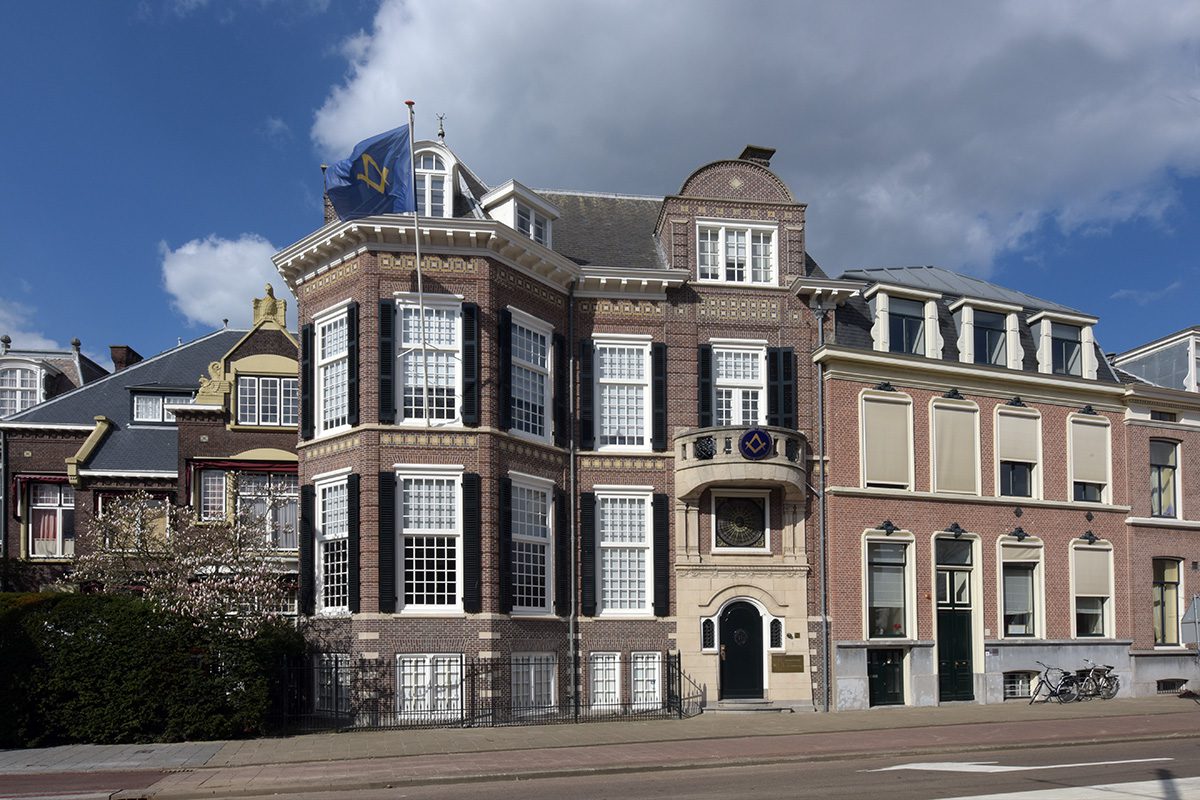
The Dutch Museum of Freemasonry in The Hague explores three centuries of Masonic history, symbolism, and culture in the Netherlands and its overseas territories. Through exhibitions, research, and education, it connects Masonic heritage with broader social and cultural history.
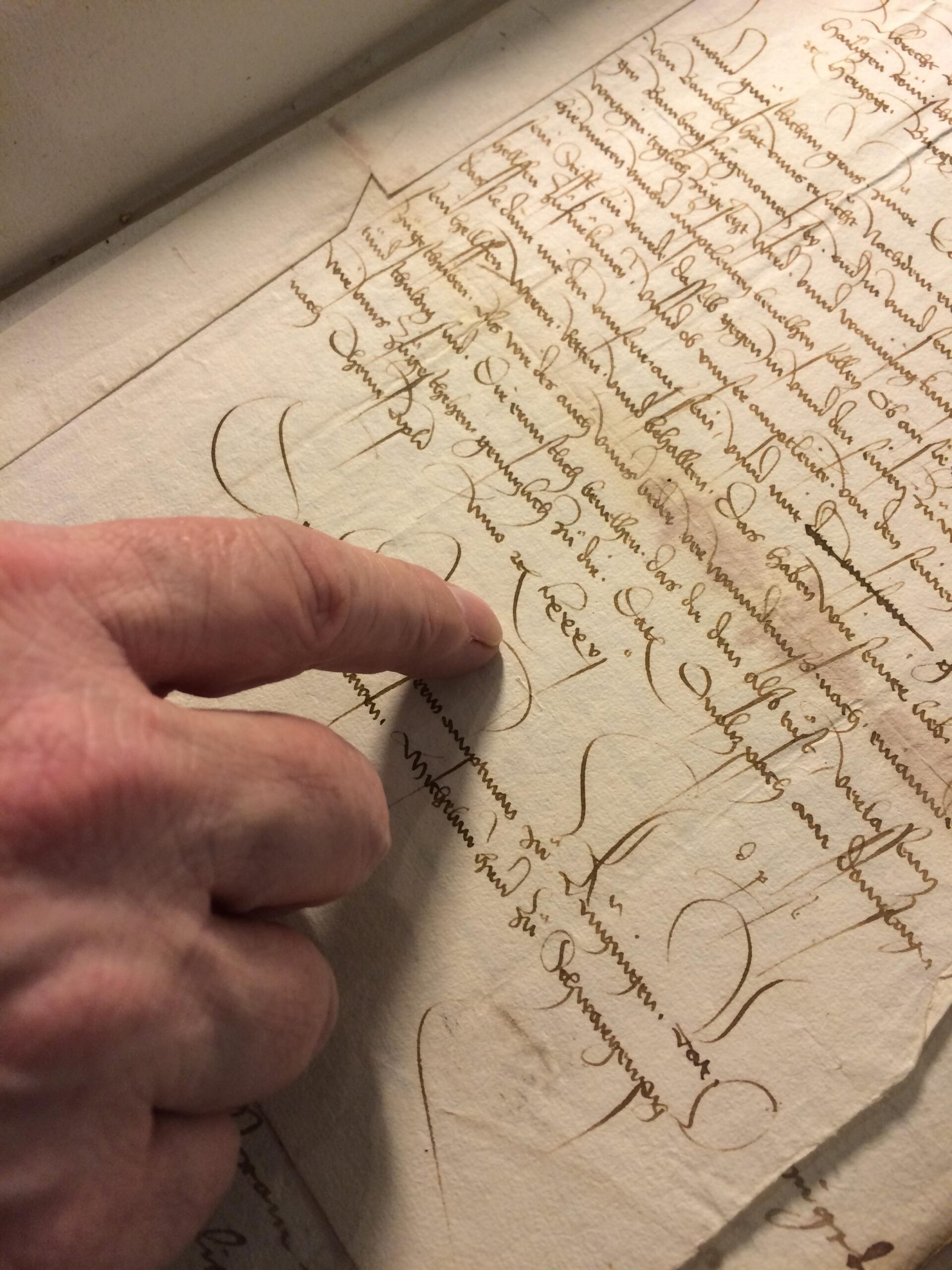
The Dutch Museum of Freemasonry holds one of the most complete and historically continuous Masonic collections in Europe, spanning more than 270 years since the establishment of Freemasonry in the Netherlands in 1735. Its extensive archival holdings document the institutional, social, and cultural history of Dutch Freemasonry, including unique lodge archives and personal papers that illuminate its role within wider society.
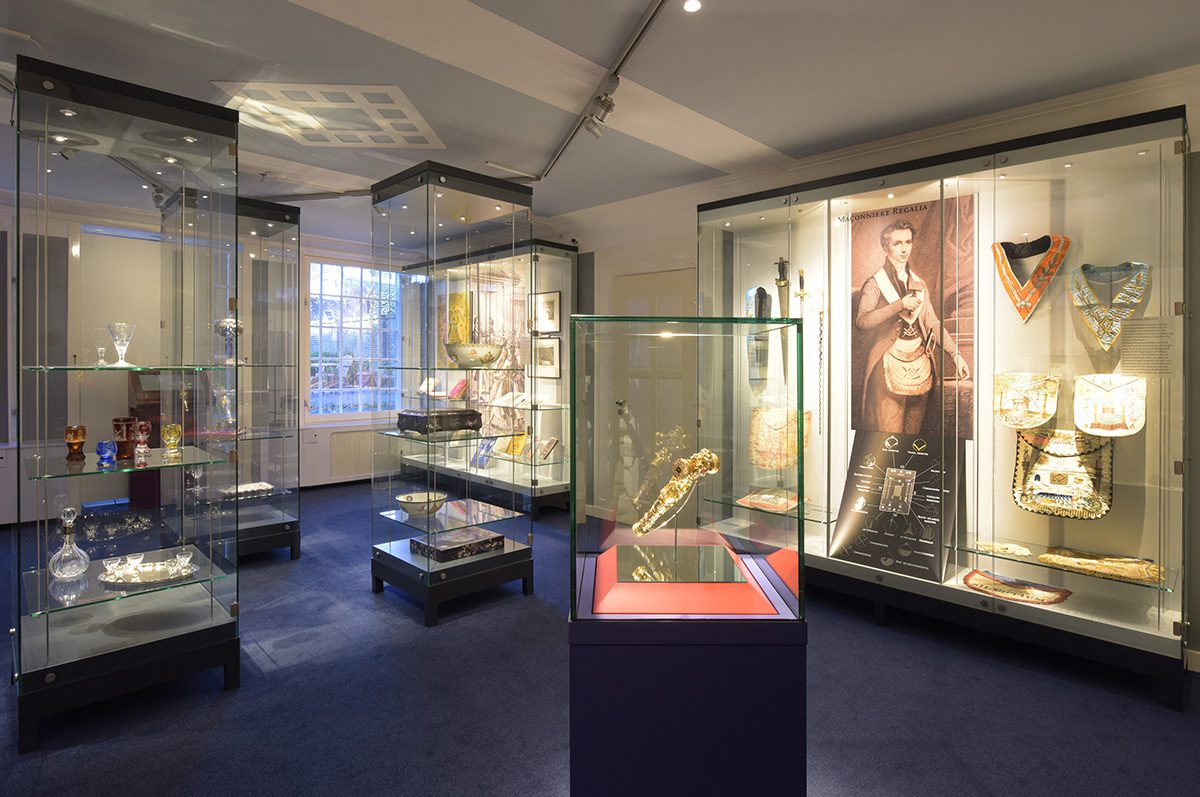
Among the museum’s most significant assets is the [i]Bibliotheca Klossiana[/i], one of the world’s foremost historic Masonic libraries, complemented by a nationally and internationally important specialist library of over 20.000 volumes on Freemasonry, esotericism, philosophy, and related fields. In addition, the museum preserves a rich and varied material culture collection of ritual objects, regalia, jewels, furniture, and artworks, many of which are rare or unique.
Particularly noteworthy are the holdings relating to Dutch Freemasonry in overseas territories, especially the former Dutch East Indies, offering a distinctive colonial and transnational perspective. The collections are actively used for scholarly research, digitisation and conservation programmes, restitution studies, and international heritage collaboration.